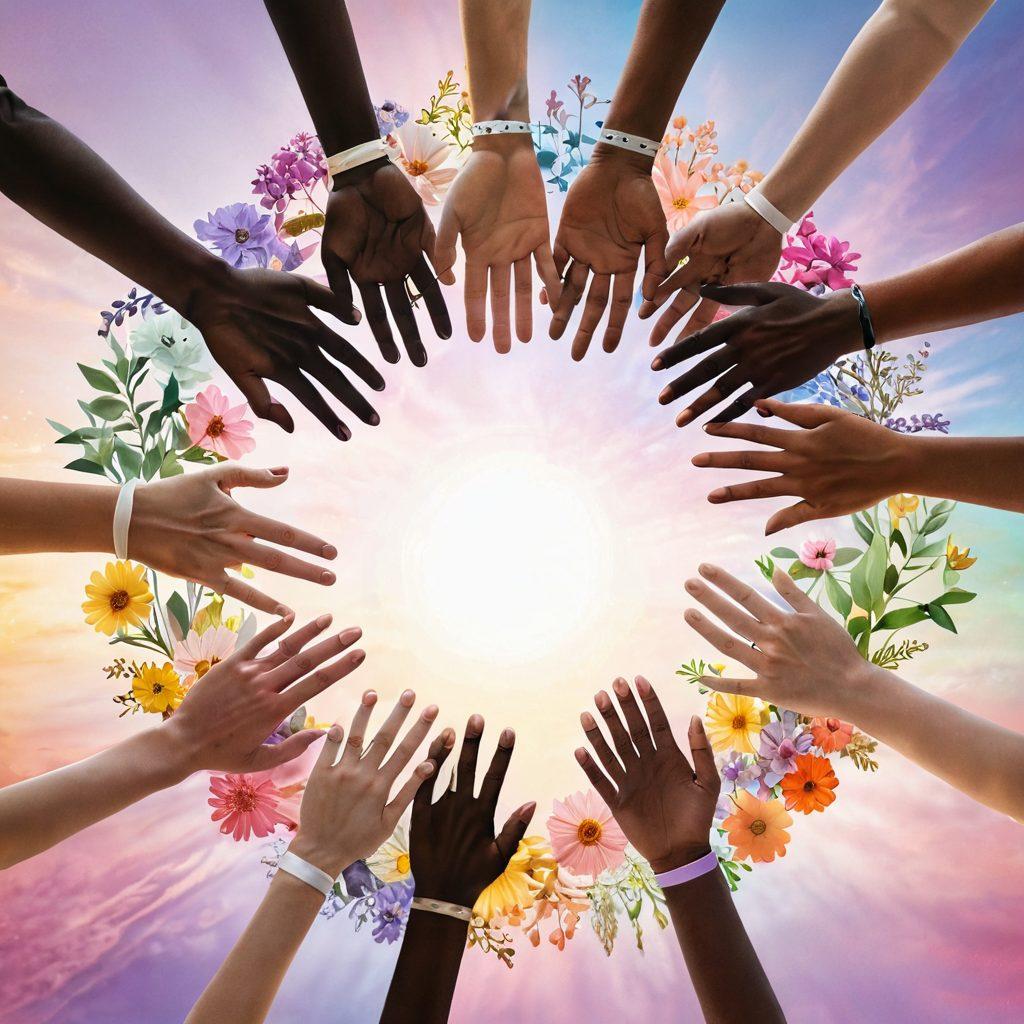
Empowering Lives: Your Ultimate Guide to Cancer Awareness and Resources
Navigating the landscape of cancer can feel like wandering through an unfamiliar forest: daunting and filled with paths that seem to lead nowhere. For individuals facing a cancer diagnosis, the journey is often overwhelming, filled with clinical terminology and complex choices. Yet, with a bit of guidance, this journey can transform from intimidating to empowering. Understanding cancer health, available resources, and what lies ahead can pave the way for a more informed and confident approach to fighting cancer.
Firstly, let's talk about the essential insights every cancer patient needs to know. It's important to understand that cancer is not a single entity; it encompasses a wide variety of diseases, each with its own characteristics. From common topics like tumor awareness to more complex areas such as cancer prevention and the latest cancer therapies, there’s a wealth of information available. According to recent cancer statistics, nearly 1 in 2 men and 1 in 3 women will be diagnosed with cancer in their lifetime. Shocking, right? But these numbers highlight an important call to action: the more we know, the better we can advocate for ourselves and each other in the cancer community.
So how do we equip ourselves with this life-altering information? One powerful resource is cancer education. Learning about your specific cancer type, its symptoms, and potential treatment paths is crucial for making informed decisions. Explore oncology blogs that share the latest in cancer news and breakthroughs. Remember, knowledge is your best defense. As one oncologist puts it, 'An informed patient is an empowered patient.' The insights gained can help you approach your treatment with confidence and equip you to ask the right questions of your healthcare team.
Moreover, connecting with others who share similar experiences is invaluable. Joining a cancer support group or participating in cancer patient advocacy initiatives can provide not just emotional comfort, but also a treasure trove of resources. These networks can guide you toward clinical trials that might be suitable for you and offer insights into the palliative care options available for managing symptoms during treatment. Hearing cancer stories from those who've walked the road before can instill hope and strength. After all, as the saying goes, 'A burden shared is a burden halved.'
Lastly, don’t forget the importance of mental health during this challenging time. Living with cancer is not just about physical health; emotional resilience plays a significant role in healing. Resources such as counseling services and mindfulness programs can make a difference. So, next time you hear someone say 'fight cancer,' remember that it's about more than just the battle; it’s a holistic journey toward health. By navigating the landscape of cancer with knowledge, support, and understanding, you can find ways to thrive, not just survive. Take the first step today, and embrace the resources at your fingertips.
Transforming Awareness into Action: Your Role in the Cancer Community and Advocacy
In the ever-evolving landscape of cancer health, awareness is only the first step. Imagine a world where every person understands the implications of cancer diagnosis, the nuances of cancer symptoms, and the resources available for treatment. Now, picture yourself as part of that transformative journey. This is where you can play a pivotal role in the cancer community, transitioning from awareness into actionable outcomes. Our ultimate guide will empower you to not only understand cancer but also to advocate for those fighting this battle. Are you ready to take action and make your voice heard?
As we delve deeper into this topic, let's consider a poignant quote from a cancer survivor: 'Being diagnosed with cancer was painful, but it also gave me a voice I never knew I had.' It's this voice that echoes through advocacy and support—reminding us that each cancer story is unique yet infinitely valuable. By participating in advocacy, whether through sharing personal experiences or attending cancer support groups, you contribute to a collective narrative that fuels change, drives education, and enhances cancer therapies. How can your experiences help others feel less alone in their journey?
For many, the concept of cancer prevention may seem daunting, but what if we viewed it through an optimistic lens? Becoming active in your local cancer community allows you to champion tumor awareness initiatives and drive cancer education programs. This might involve organizing events that educate the public about cancer statistics or collaborating with oncologists to promote cancer clinical trials. By taking charge, you not only elevate your own understanding but motivate others to engage in proactive discussions about living with cancer—particularly in an era where knowledge is arguably as vital as treatment itself.
Let’s not forget, the power of advocacy extends beyond immediate education. Imagine what it would be like to have a network of support rooted in personal connections and shared experiences. The significance of cancer patient advocacy cannot be overstated; it's a lifeline for many. By participating in palliative care activities or supporting those undergoing treatment, you can create a ripple effect in your community. What if every single person affected by cancer could rely on their community for support? Together, we can make that happen.
In the echo of the cancer community, your advocacy becomes a beacon of hope for those navigating the complexities of cancer diagnosis and treatment. As you engage with cancer resources, from informative health blogs to informative discussions about cancer therapies, remember that awareness drives action, and action creates change. So, the question remains: How will you choose to get involved? Whether it’s sharing cancer news or advocating for improved access to cancer resources, every effort counts. Let's join forces and embark on this journey to empower lives around us.
From Diagnosis to Support: Comprehensive Tools for Understanding and Living with Cancer
In the heart of every cancer journey lies a story—one of resilience, hope, and the quest for understanding. Diagnosing cancer is like opening the door to an uninvited guest that comes with overwhelming emotions and endless questions. Patients and their loved ones often find themselves immersed in an oncology blog, searching for information to make sense of an unfamiliar and daunting experience. This guide is dedicated to providing those enabling tools, resources, and support to navigate the complexities of cancer health—from diagnosis to palliative care.
Have you ever wondered what goes through a person's mind at the moment of a cancer diagnosis? The experience can be akin to standing at the precipice of a cliff, where fear and uncertainty threaten to take over. What if I told you that armed with the right cancer education and support, patients can find strength to leap instead of fall? This means understanding cancer symptoms, knowing how to advocate for oneself within the healthcare system, and actively participating in cancer support groups that can bolster their courage for the journey ahead. It's about turning fear into empowerment and choice into action.
Let's not forget about the statistics that frame the reality of cancer. Did you know that nearly 1 in 2 men and 1 in 3 women will be diagnosed with cancer in their lifetime? Those figures are both alarming and eye-opening, but such realities only serve to emphasize the importance of cancer prevention and tumor awareness. With lifestyle changes and preventative measures, many individuals can reduce their risk and become proactive instead of reactive. Taking charge of one’s health through regular check-ups and screening is vital—after all, knowledge is power, especially when it comes to cancer news and the latest in cancer therapies.
When embarking on this journey, valid questions need to be posed: How can I cope? What resources are available? Engaging with the cancer community through forums, blogs, and informational sites can shine a light on these uncertainties. Connecting with an oncologist for personalized care options can lead to exploring cancer clinical trials or innovative palliative care suited for individual needs. Moreover, cancer patient advocacy plays a pivotal role in transforming the narrative—from being a passive recipient of care to an informed participant who drives their healthcare journey.
Ultimately, this guide aims to equip you with actionable insights and a repertoire of cancer resources that empower not just survival but living richly with cancer. Sharing cancer stories can cultivate a sense of belonging, reminding every individual that they are not alone. So, dear reader, if you or someone you love is facing a cancer diagnosis, step into this world of knowledge, support, and community connections. Together, we can turn uncertainty into understanding and forge a path towards healing—with hope leading the way.